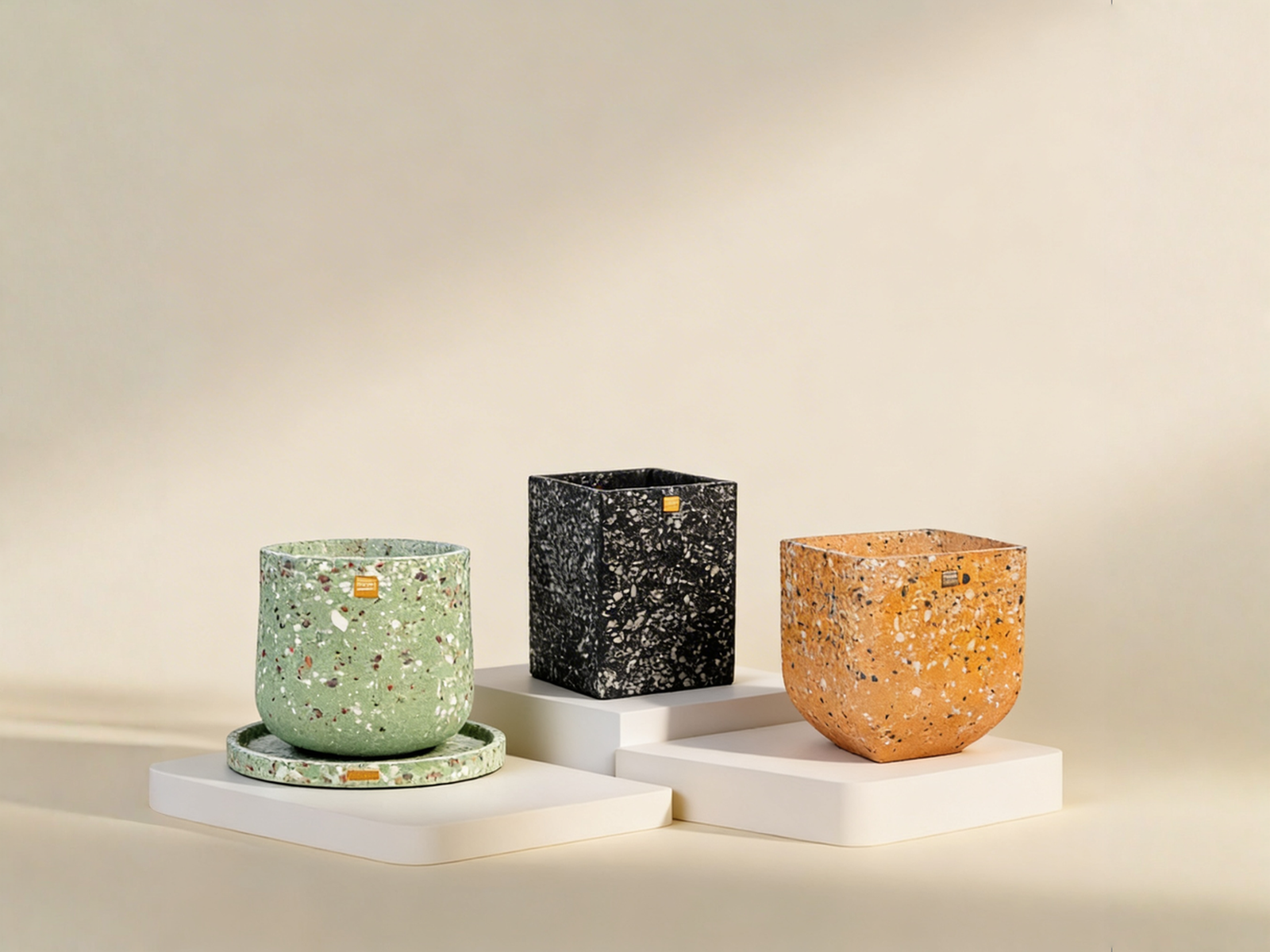
1: What is the Perfect Size for a Tree Pot?
Selecting the perfect size for a tree pot is a critical horticultural decision that dictates the long-term health of natural trees. Cultivating trees in confined spatial environments requires a precise geometric balance between the plant’s root architecture and the selected container. Understanding these ratios ensures vibrant growth and prevents common botanical failures.
2: The Science of Root Ball Ratios
When natural trees are cultivated in indoor plant pots or large outdoor planters, the root system is forced to adapt to the physical boundaries of the vessel. Horticultural standards mandate that a new container should be approximately two to three times the width of the current root ball. When executing an incremental repotting process, the diameter of the new pot should be increased by 2 to 4 inches relative to the existing root mass.
Depth is equally important. The tree’s root flare—the anatomical transition zone where the trunk expands into structural roots—must remain 1 to 2 inches above the soil line to prevent bark decay and oxygen deprivation.
2: Standardized Sizing Metrics for Natural Trees
The American National Standards Institute (ANSI Z60.1) provides rigorous correlations between tree caliper (trunk diameter measured 6 inches above the soil) and the minimum required container volumes.
| Trunk Caliper (Inches) | Minimum Field-Grown Root Ball | Recommended Container Size | Approximate Tree Height |
| 1.0″ | 16 inches | 5 – 15 Gallons | 5 – 10 ft |
| 2.0″ | 24 inches | 20 – 25 Gallons | 8 – 14 ft |
| 3.0″ | 32 inches | 45 Gallons | 9.5 – 16 ft |
| 4.0″ | 42 inches | 95 Gallons | 10.5 – 18 ft |
| 5.0″ | 54 inches | 95+ Gallons | > 18 ft |
3: The Dangers of Oversized Planters
A common misconception in garden decoration is that providing a massive container will accelerate tree growth. Conversely, placing a small root ball into an oversized container creates an excessive volume of uninhabited soil. Because the limited root system cannot absorb moisture from the periphery, the outer soil remains saturated. This condition cultivates an anaerobic environment that promotes fungal pathogens, ultimately leading to fatal root rot.
FAQ Section
- Question: How big should a pot be for a tree?
- Answer: A tree pot should be at least two to three times the diameter of the root ball, allowing adequate space for lateral root expansion without holding excess water.
- Question: What happens if a planter is too large?
- Answer: Oversized planters hold excess moisture that the small root system cannot absorb, leading to stagnant water, oxygen deprivation, and fatal root rot.
Strong CTA
Property owners and landscape designers seeking to cultivate thriving natural greenery are encouraged to contact Garden and More today. Explore an extensive selection of perfectly sized tree pots designed to elevate any landscape.